Environmental Advisory Council
News, Events & Highlights
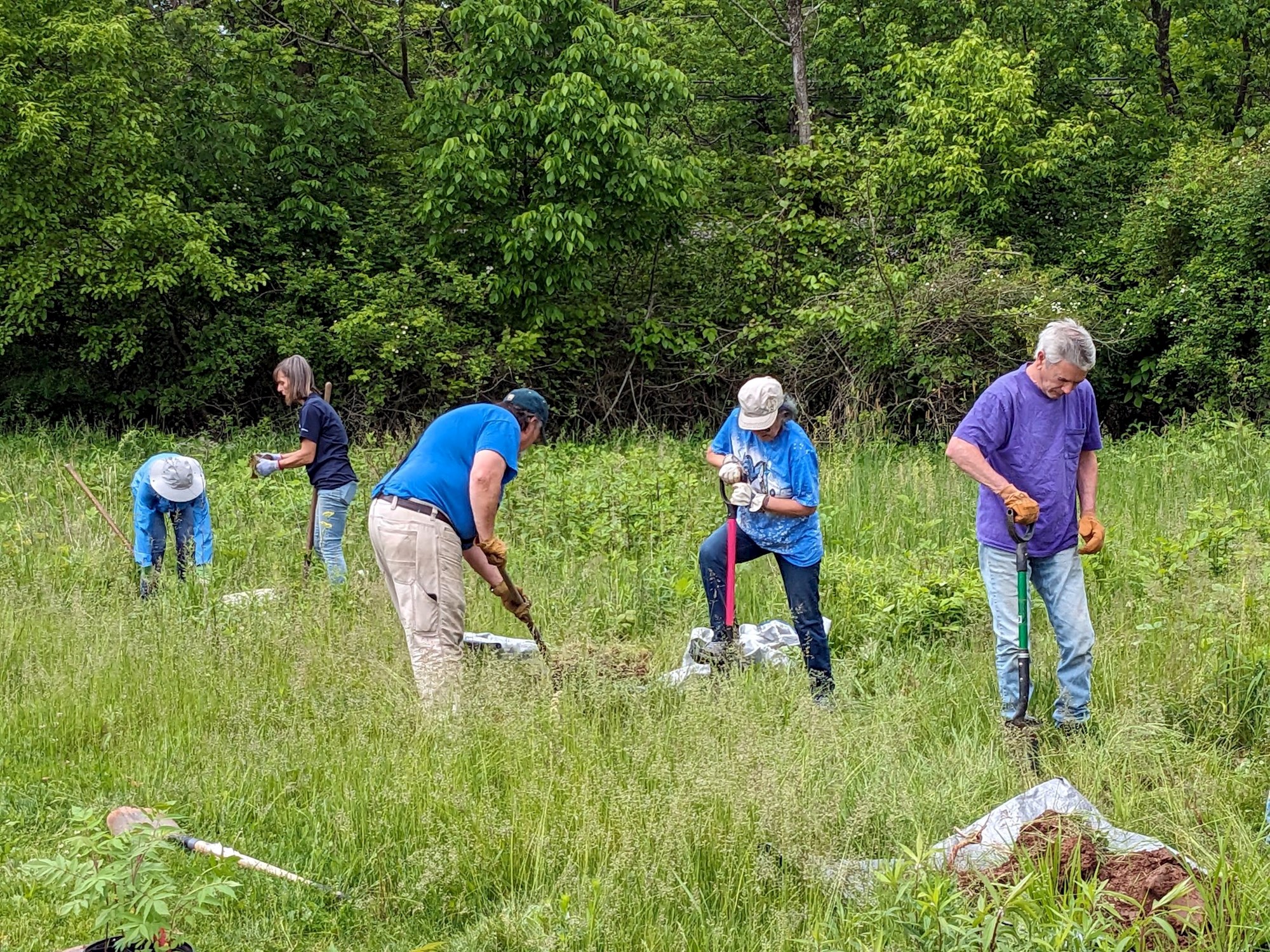
Did you know in the spring the EAC planted a pollinator garden in North Branch Park (near the basketball courts)? Come visit it - blooms are expected to continue through September!

New Britain Township is proud to be recognized as the 101st Bird Town in Pennsylvania through the Bird Town Pennsylvania program, reflecting the Township’s commitment to environmental stewardship, habitat conservation, and sustainable community practices that support birds, wildlife, and residents alike.
For additional information about Bird Town Pennsylvania, conservation resources, and ways to get involved, please visit: Bird Town Pennsylvania Official Website
Do you like butterflies and hummingbirds? If so, then you sure don’t want imported Praying Mantis!
We’re often told that these insects are good for the garden because they eat “bad bugs.” The problem is that they are oversized for our ecosystem and they eat EVERYTHING. They happily bite the heads off Monarch butterflies, devour our good pollinators, and even eat Hummingbirds. We have plenty of native insects that will snack on the bad bugs if given the chance.
Our only native Praying Mantis is the Carolina Mantis, which is 2 to 2-1/2 inches long — much smaller than the 4 inch imports. However, the Carolina Mantis isn’t usually found this far north.
The egg sacs of Chinese Praying Mantis in particular have been imported and sold here for many decades. They have reproduced and become a huge problem for our native species. Below are pictured the egg sacs of three imported, non-native Praying Mantis. If you find these (usually attached to the small branch of a shrub, tall plant stem, or tall grass), please destroy them. The easiest method is to submerge them in a bucket of water for a week or put them in the freezer.
To learn more, please visit: https://www.natlands.org/news/praying-mantis-id/.
 - Chinese Mantis Egg Sac
 - European Mantis Egg Sac
 - Narrow Winged Mantis Egg Sac
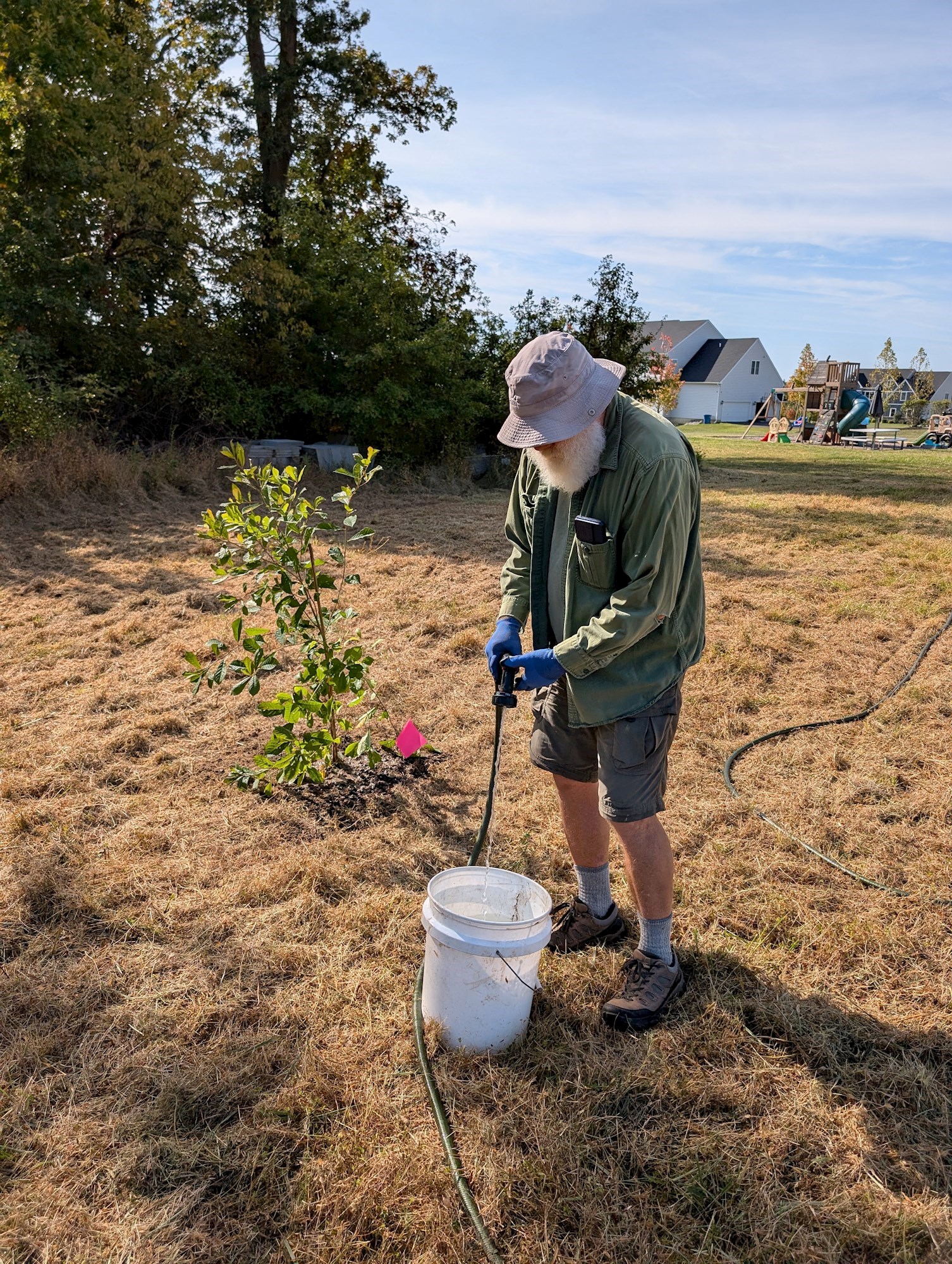
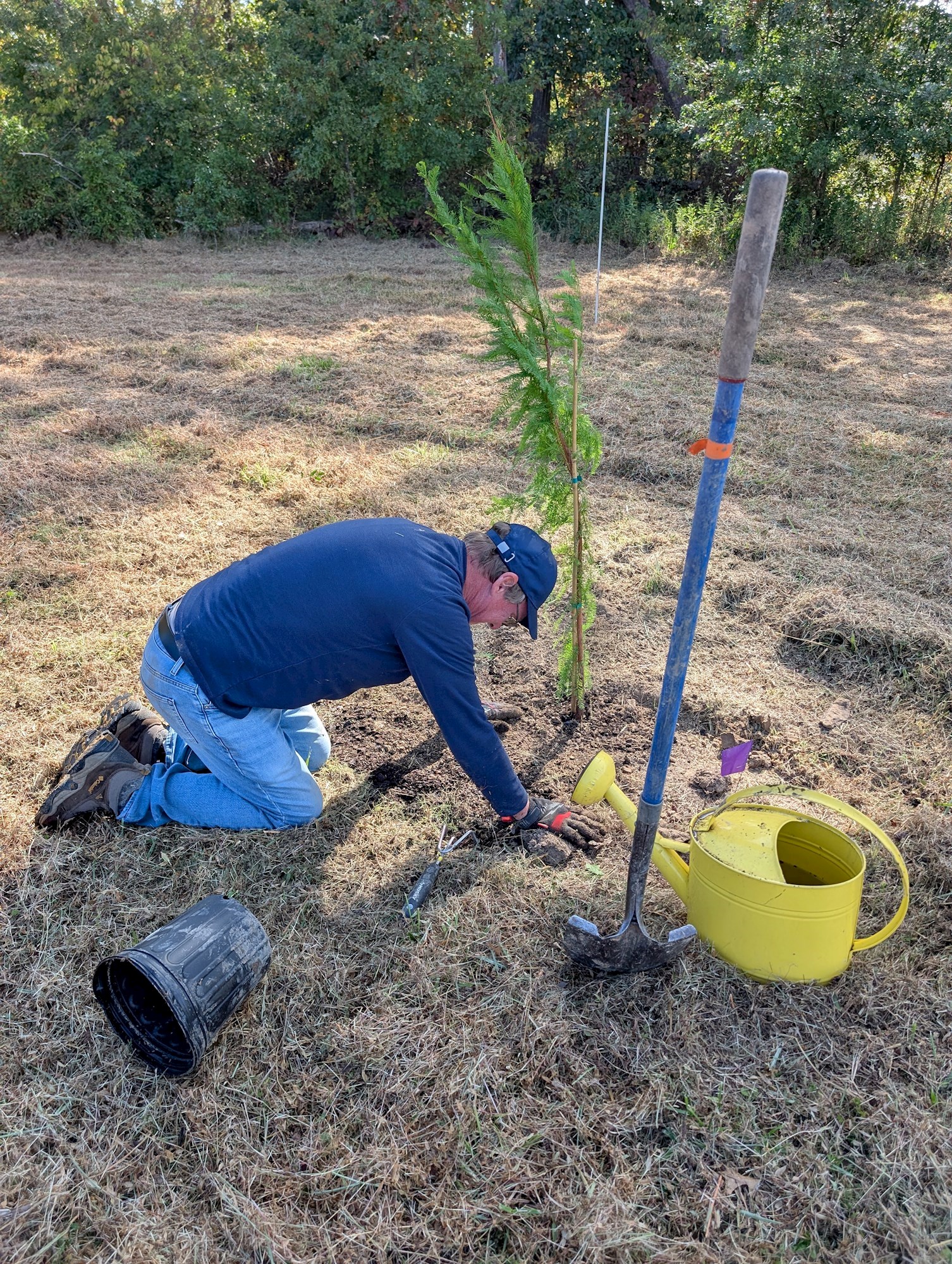
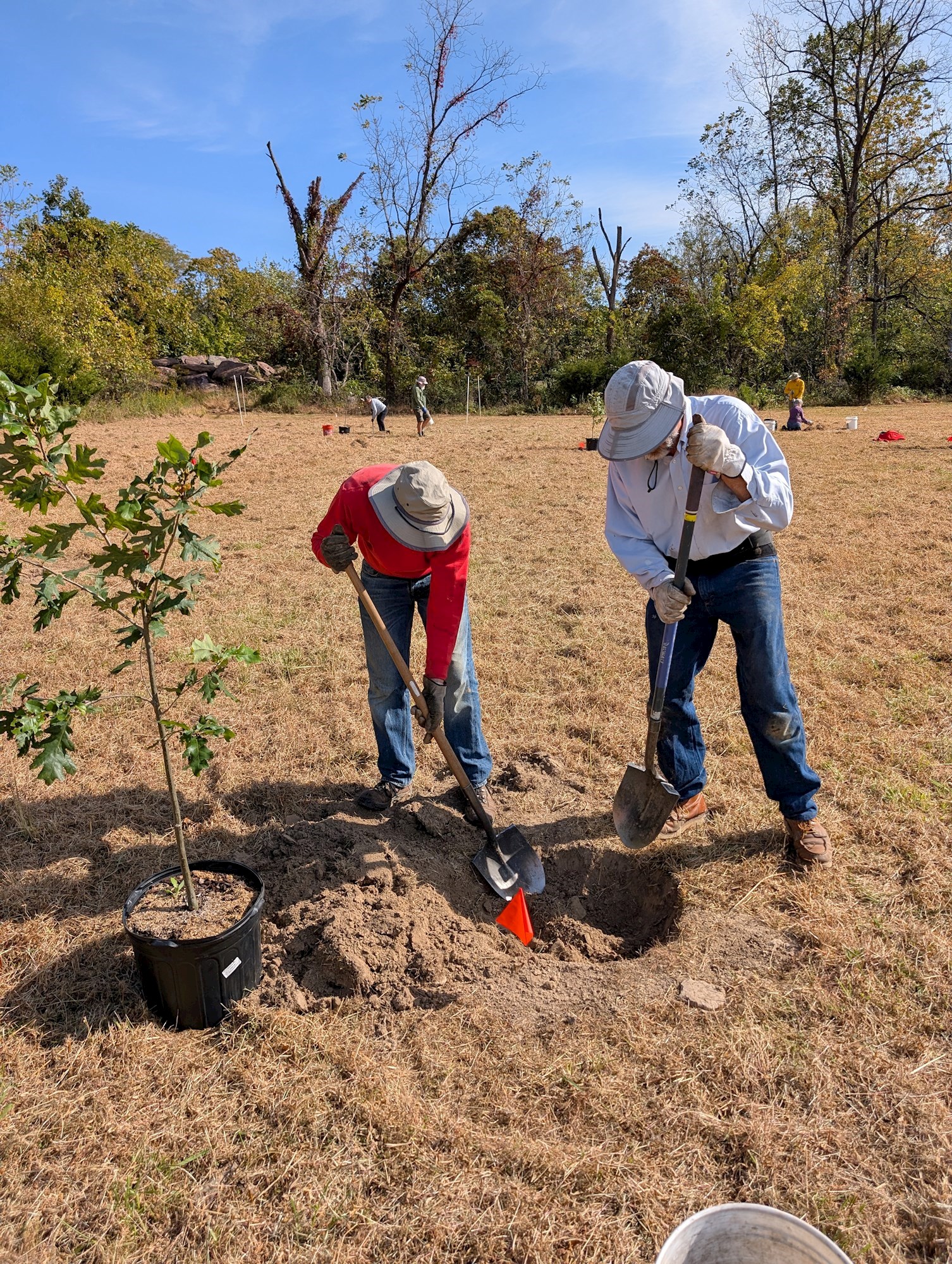
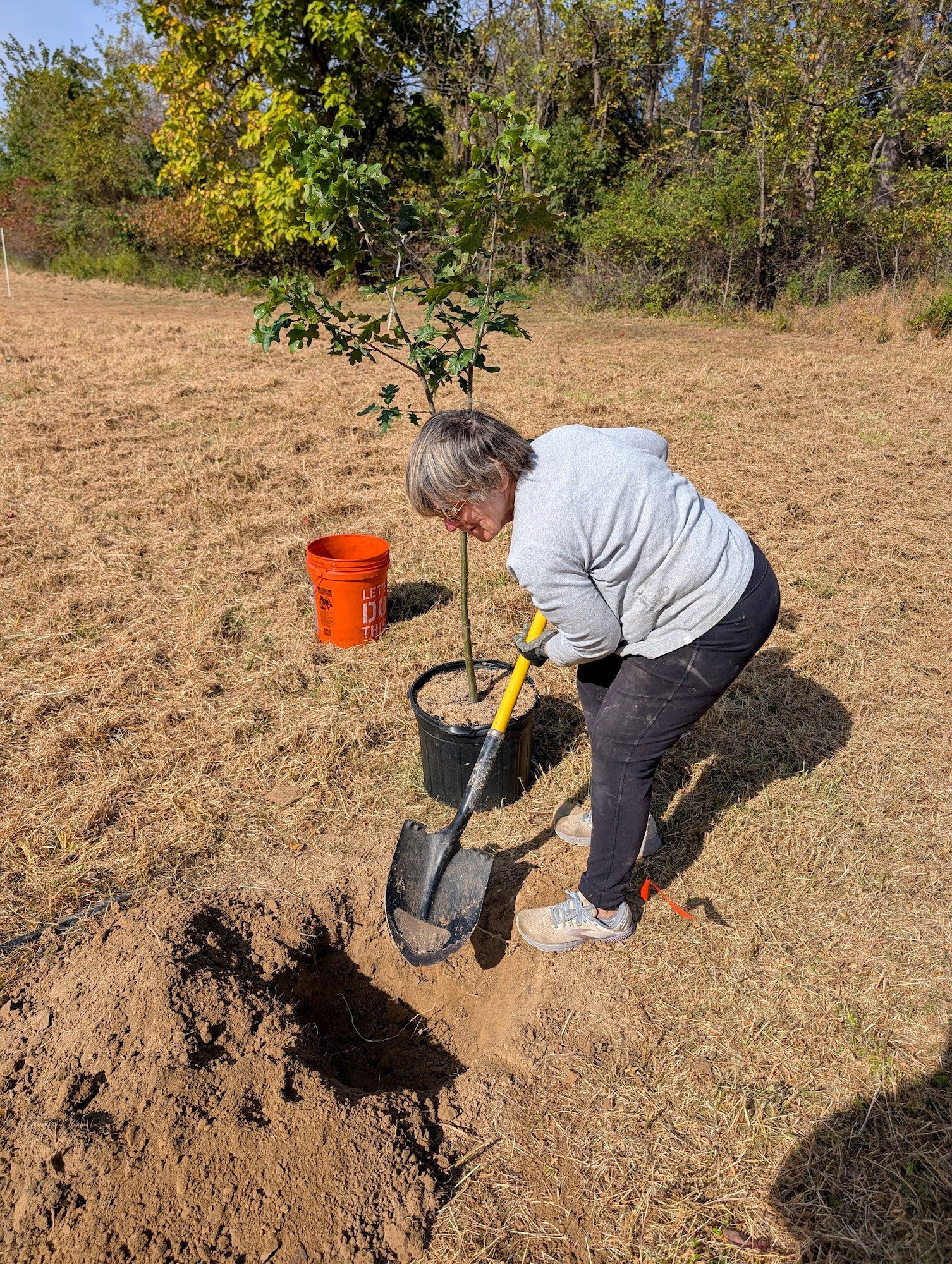
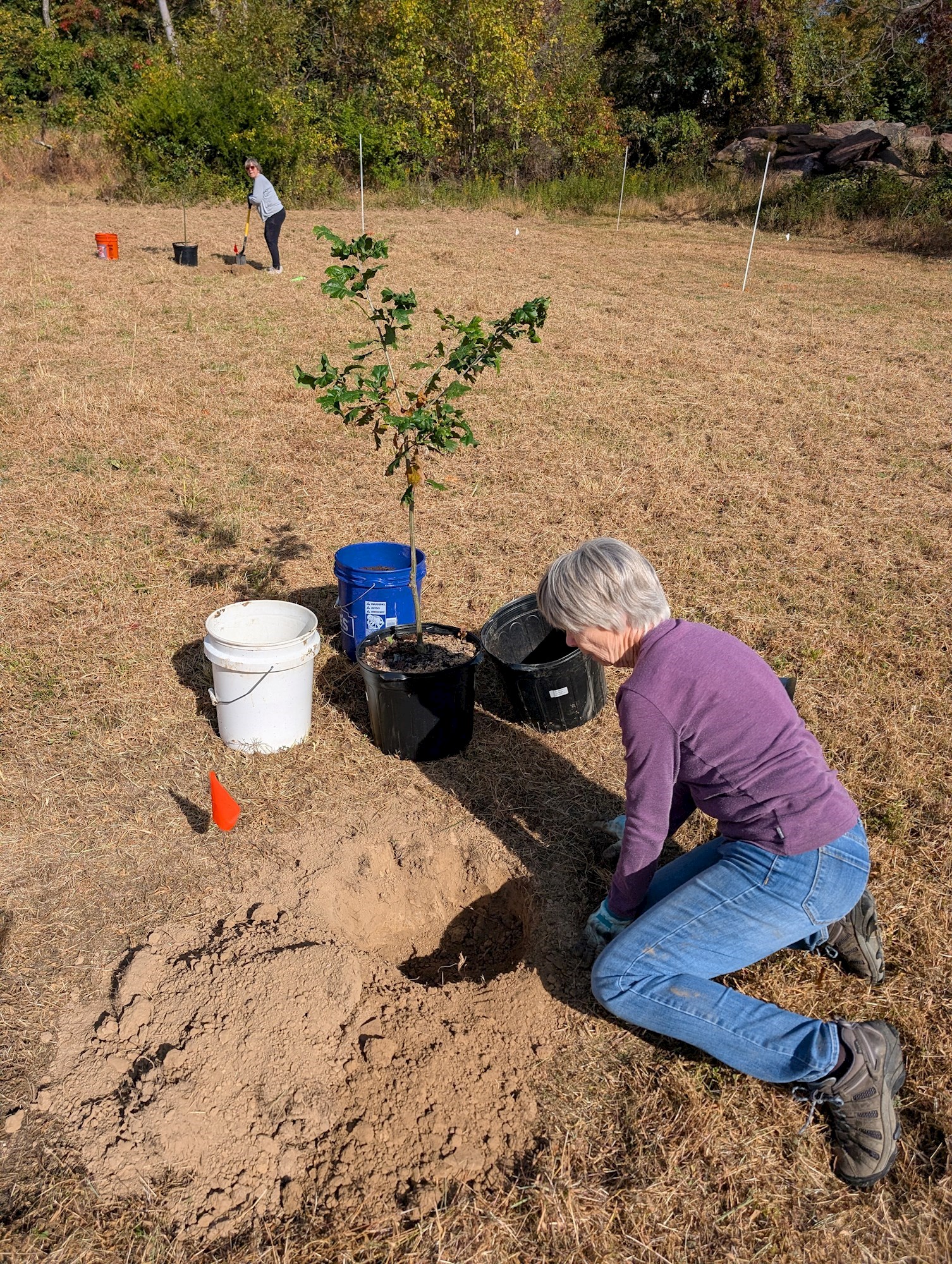
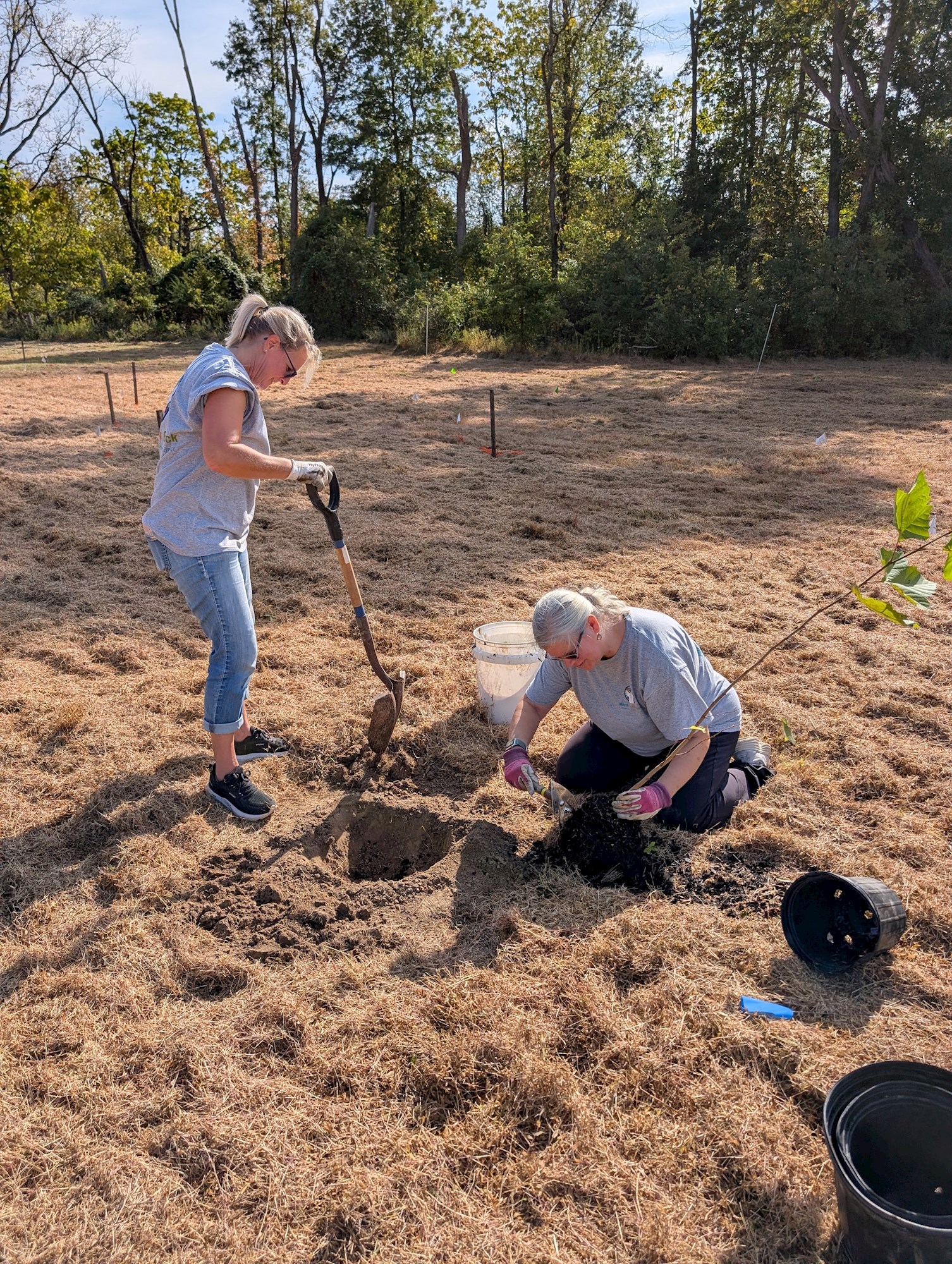
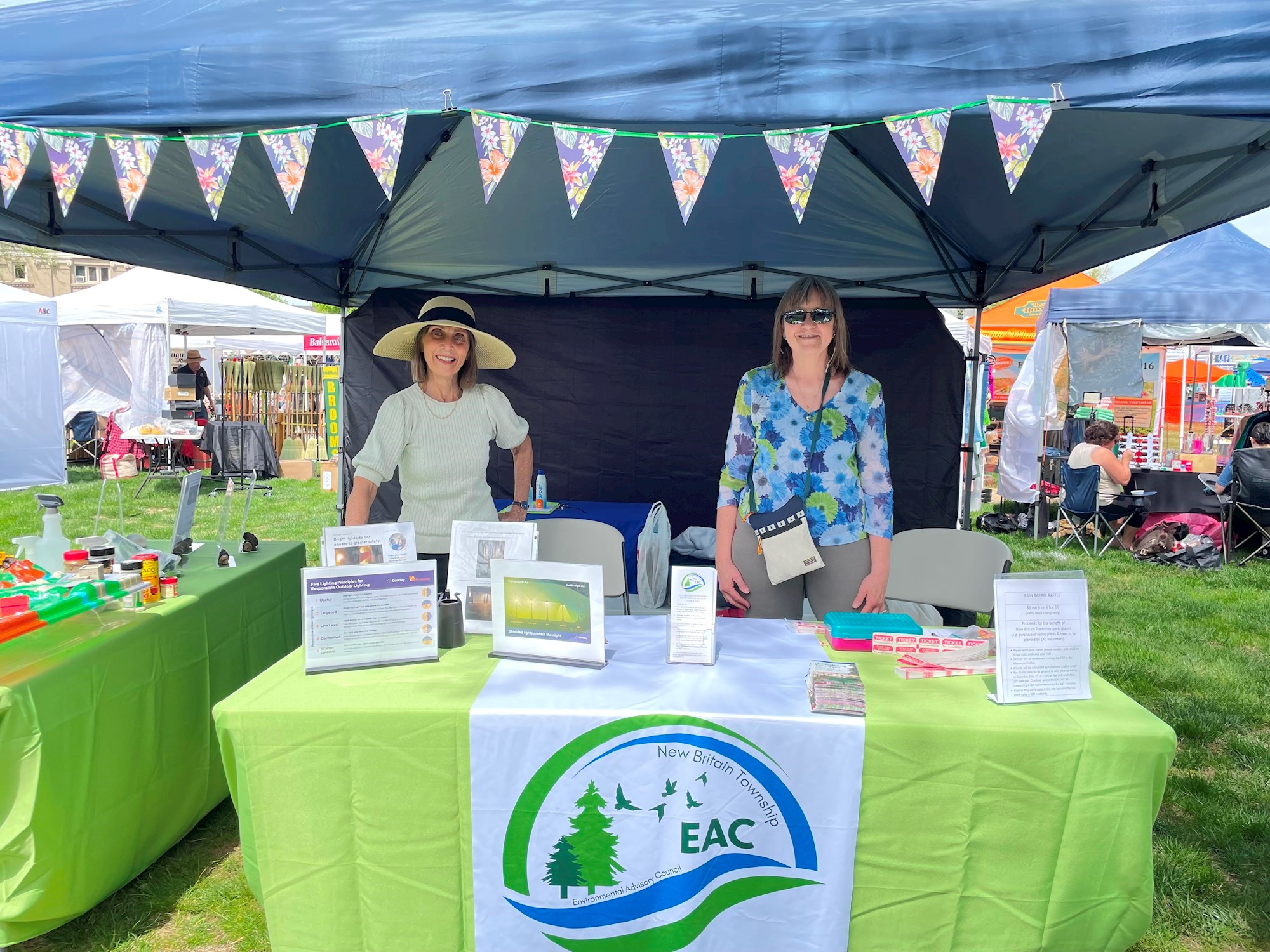
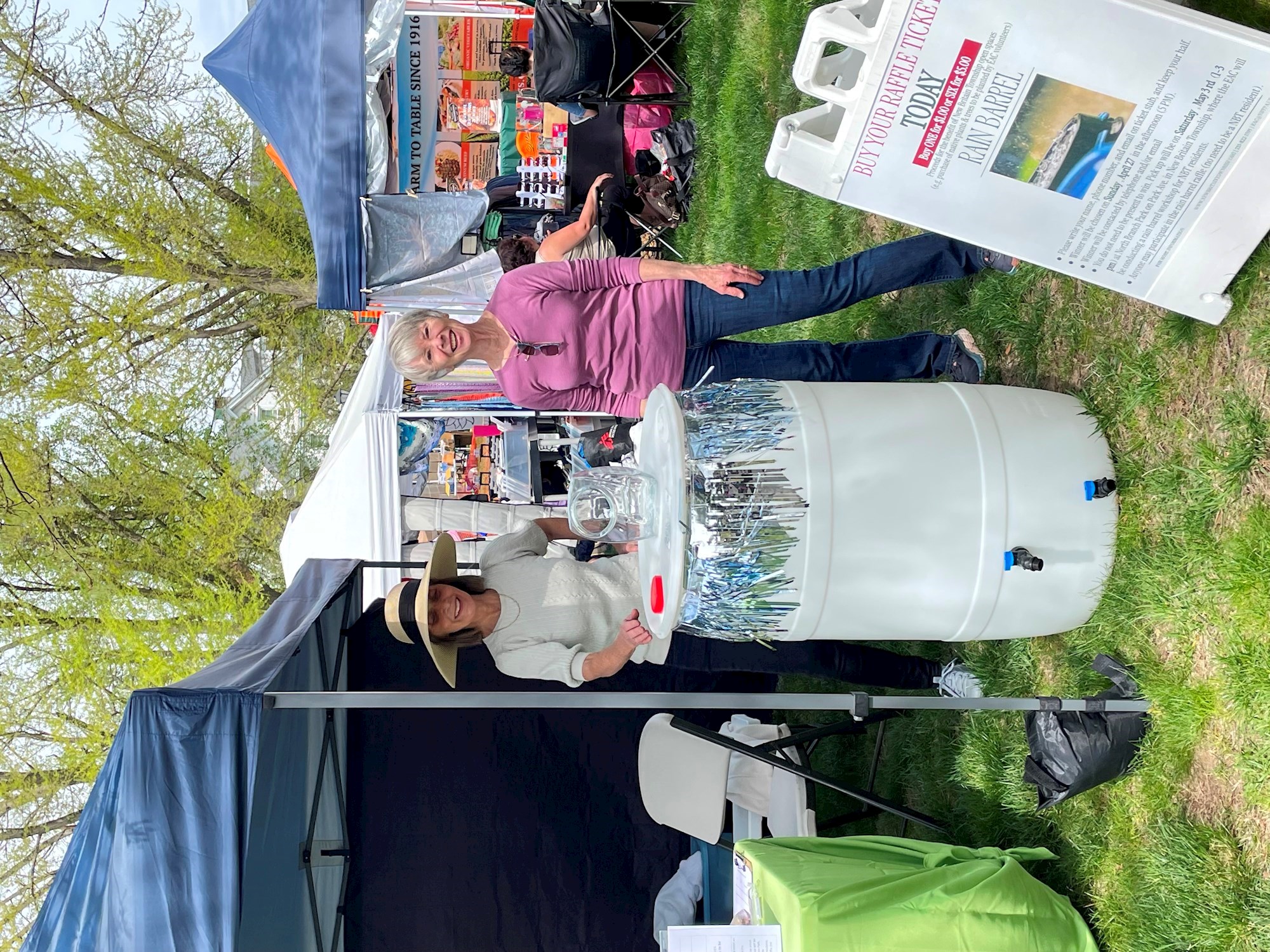
Past EAC Events
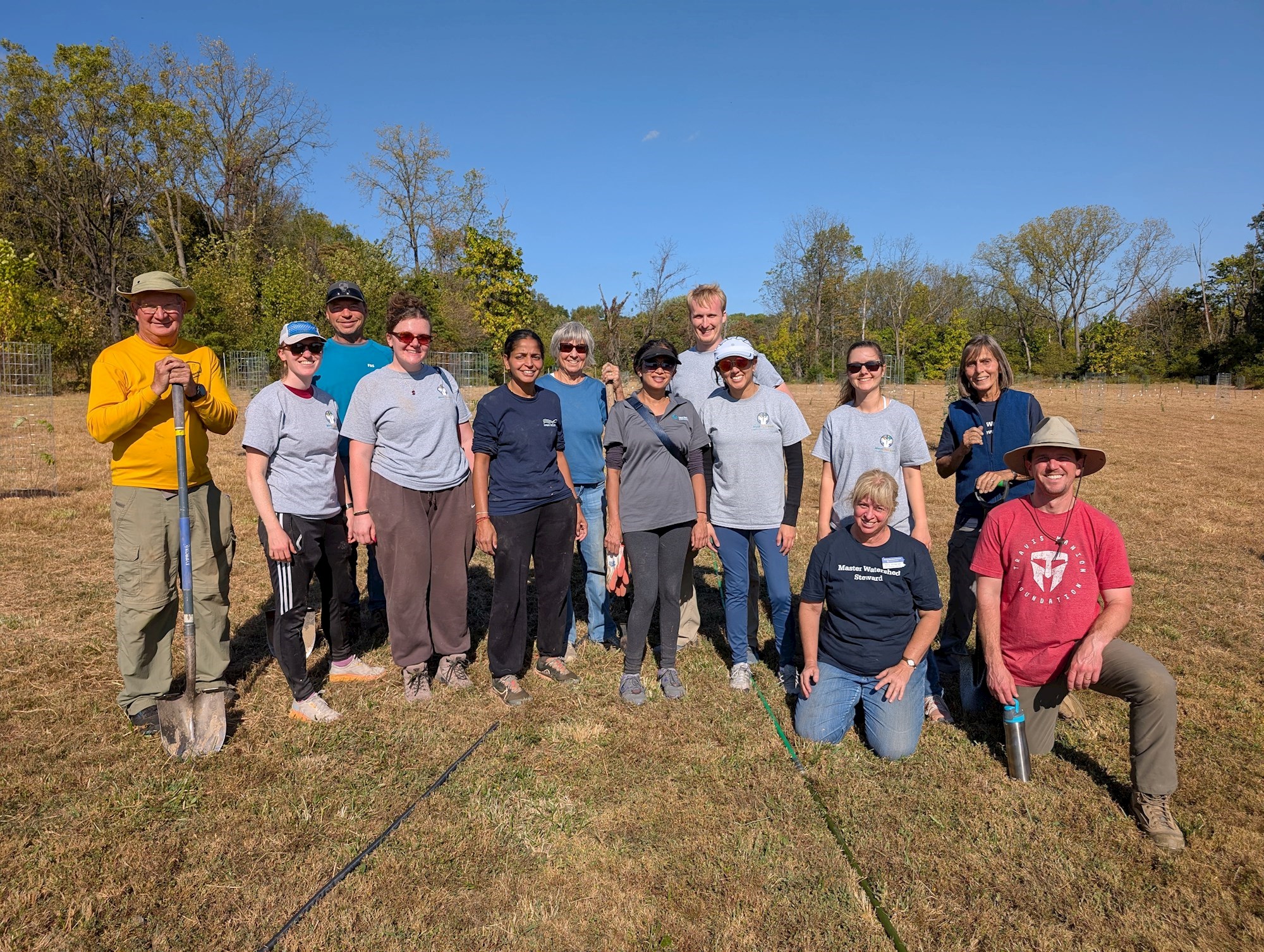
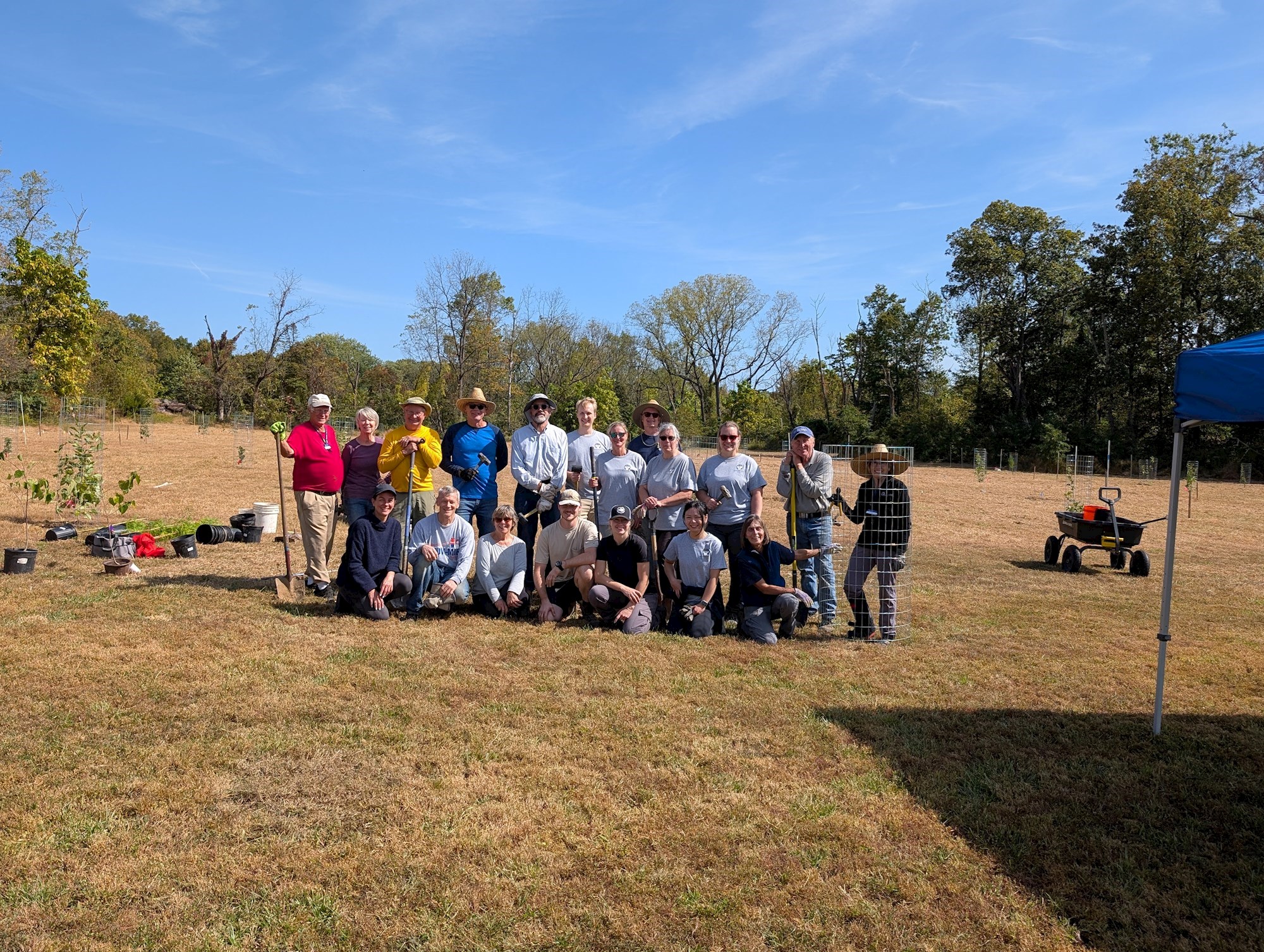
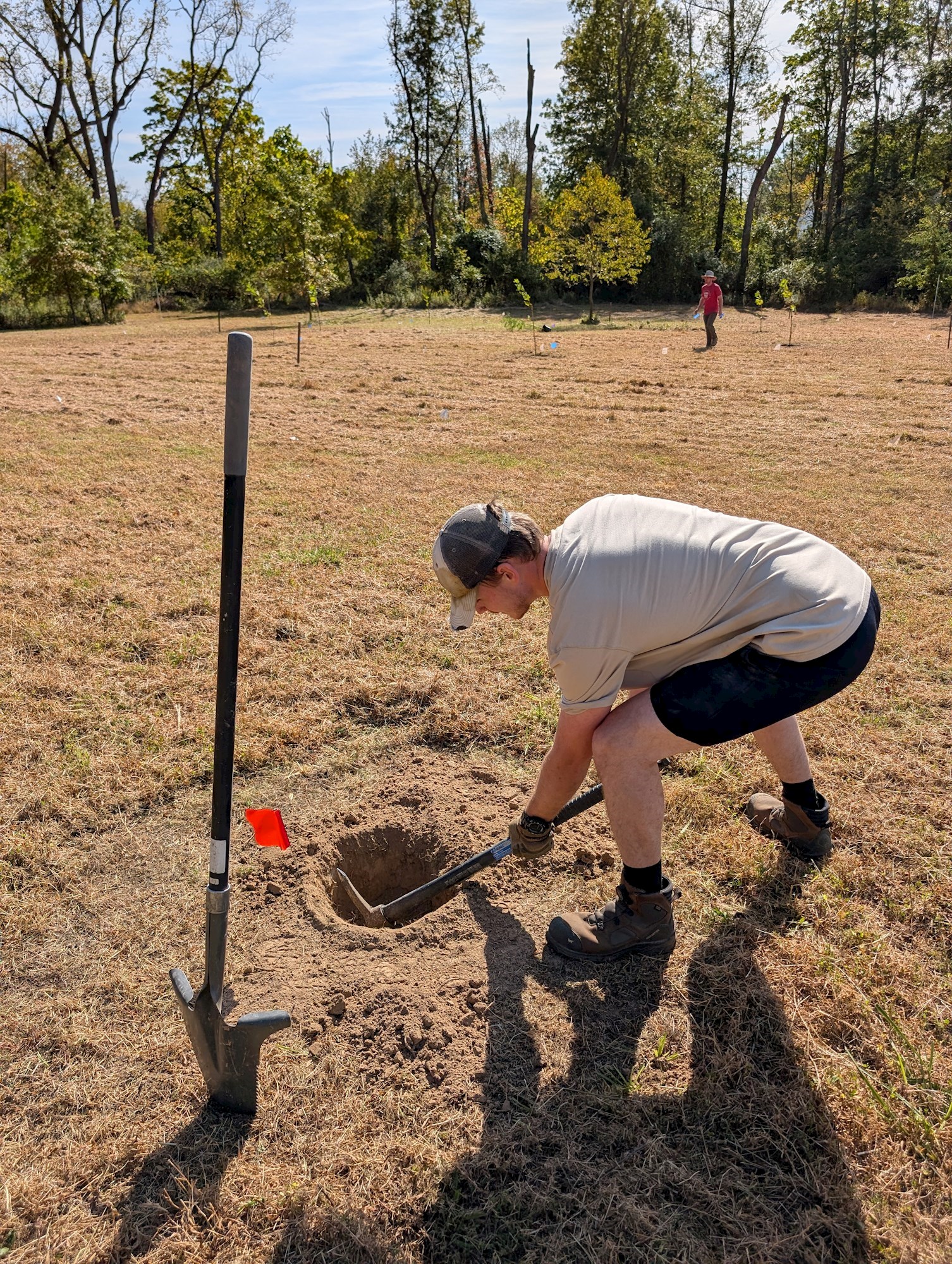
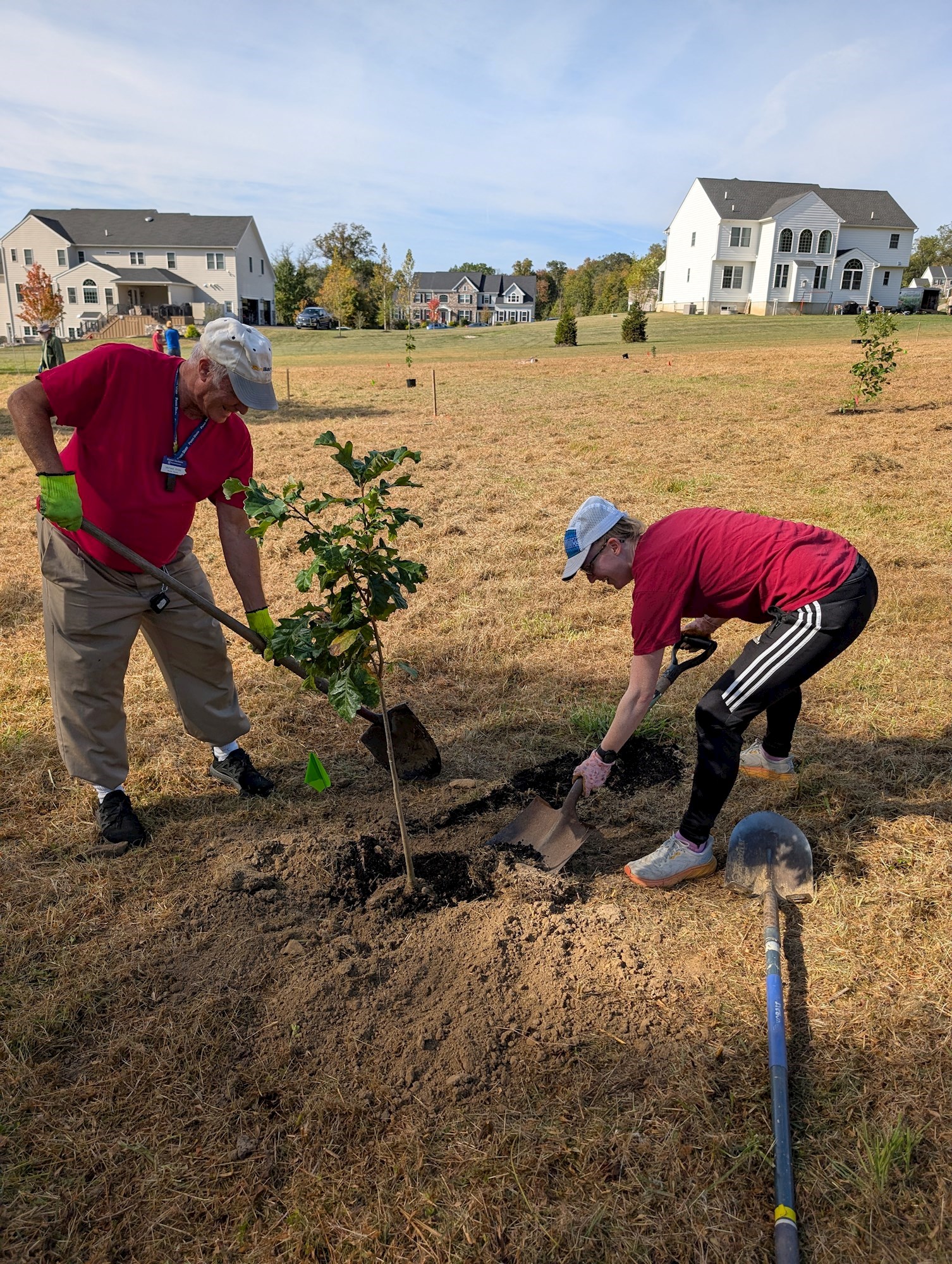
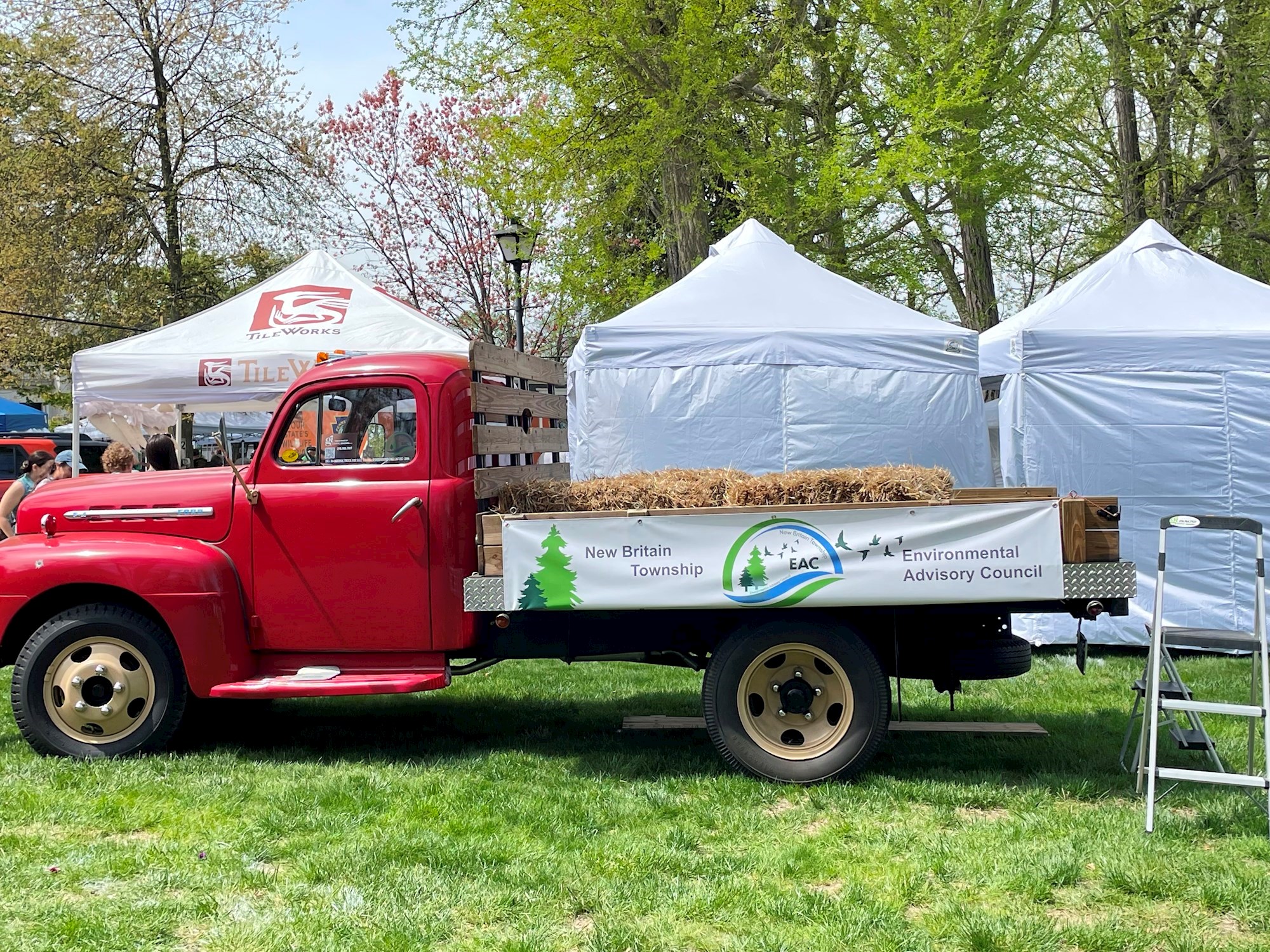
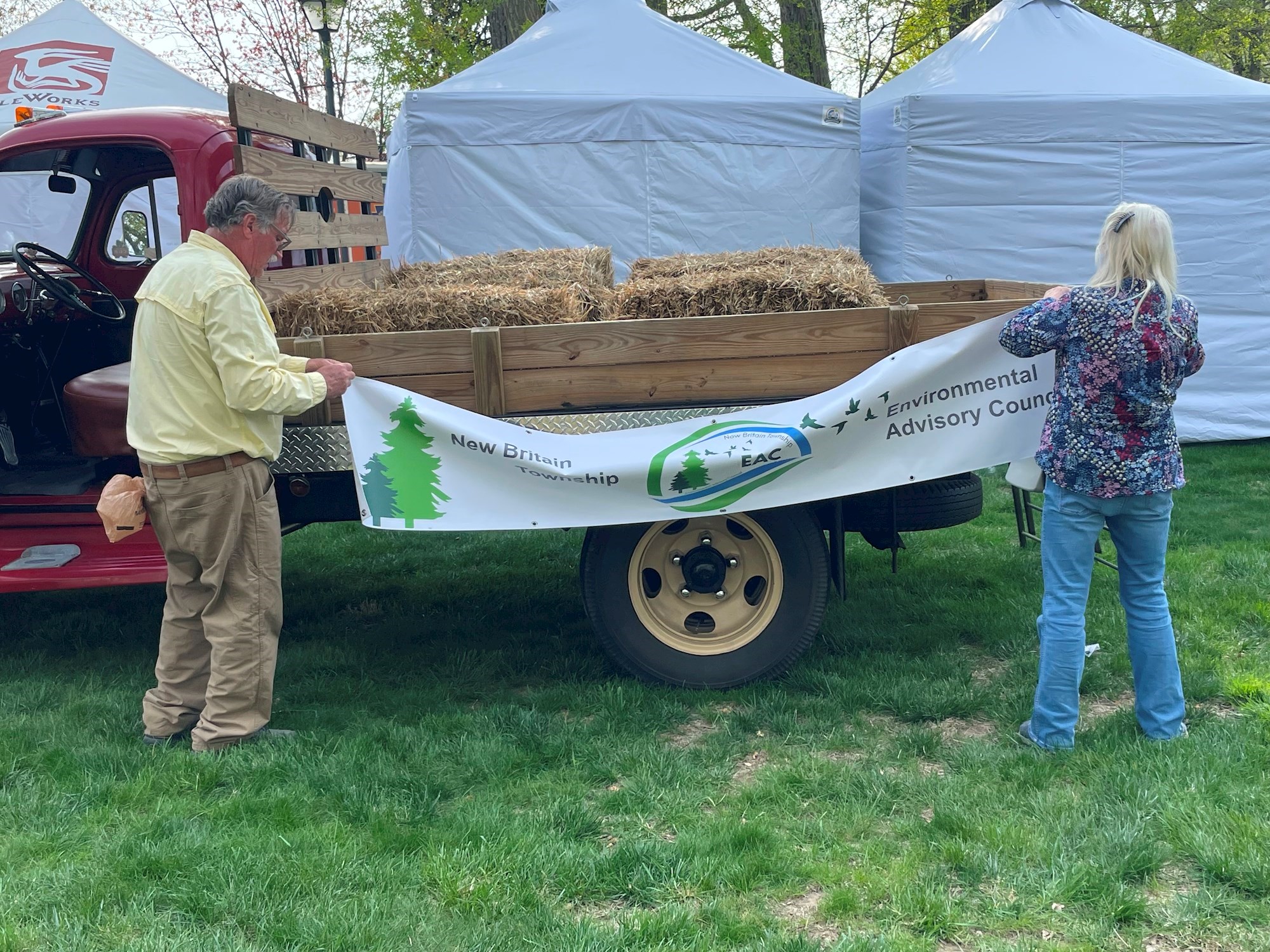
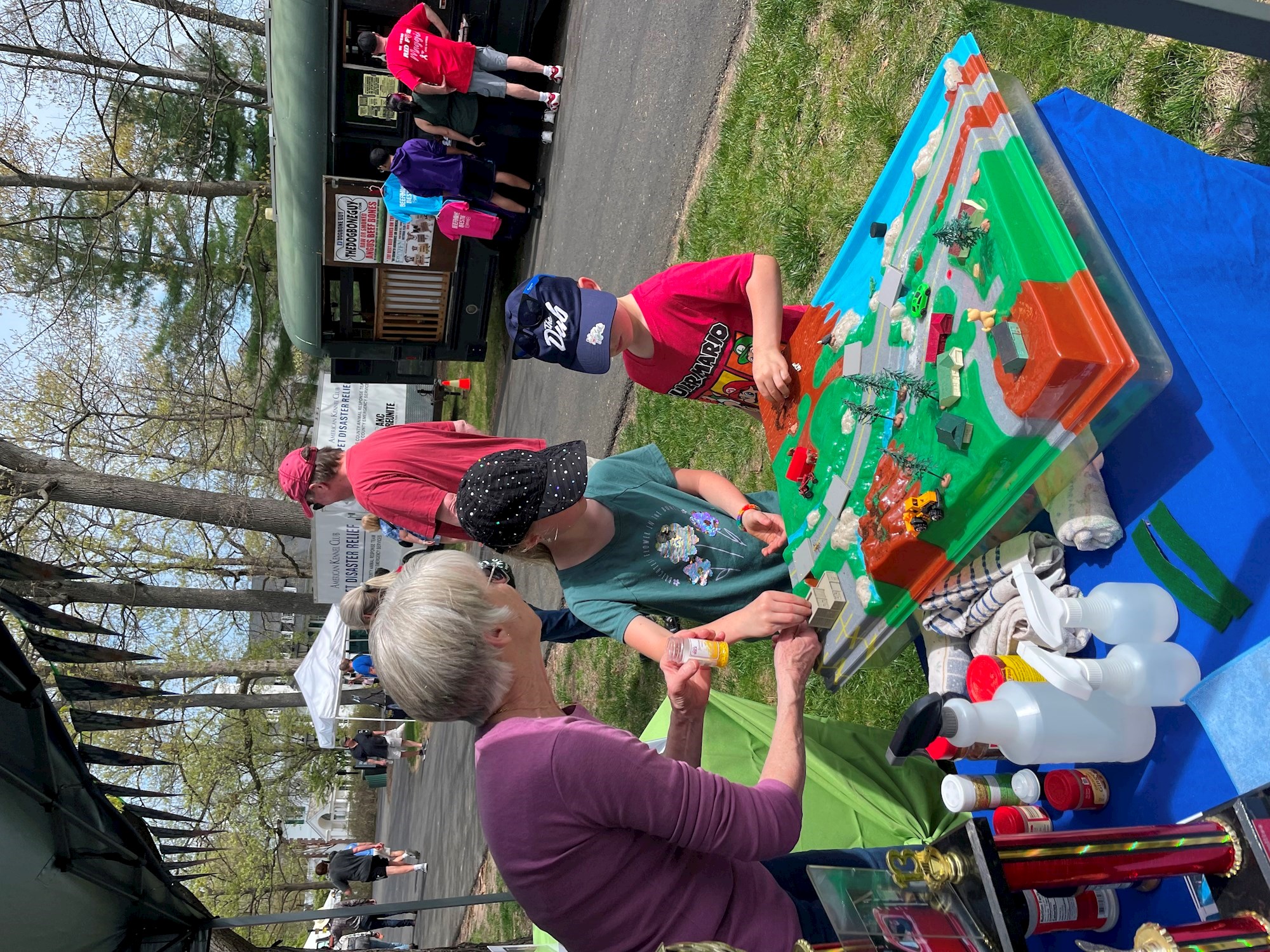
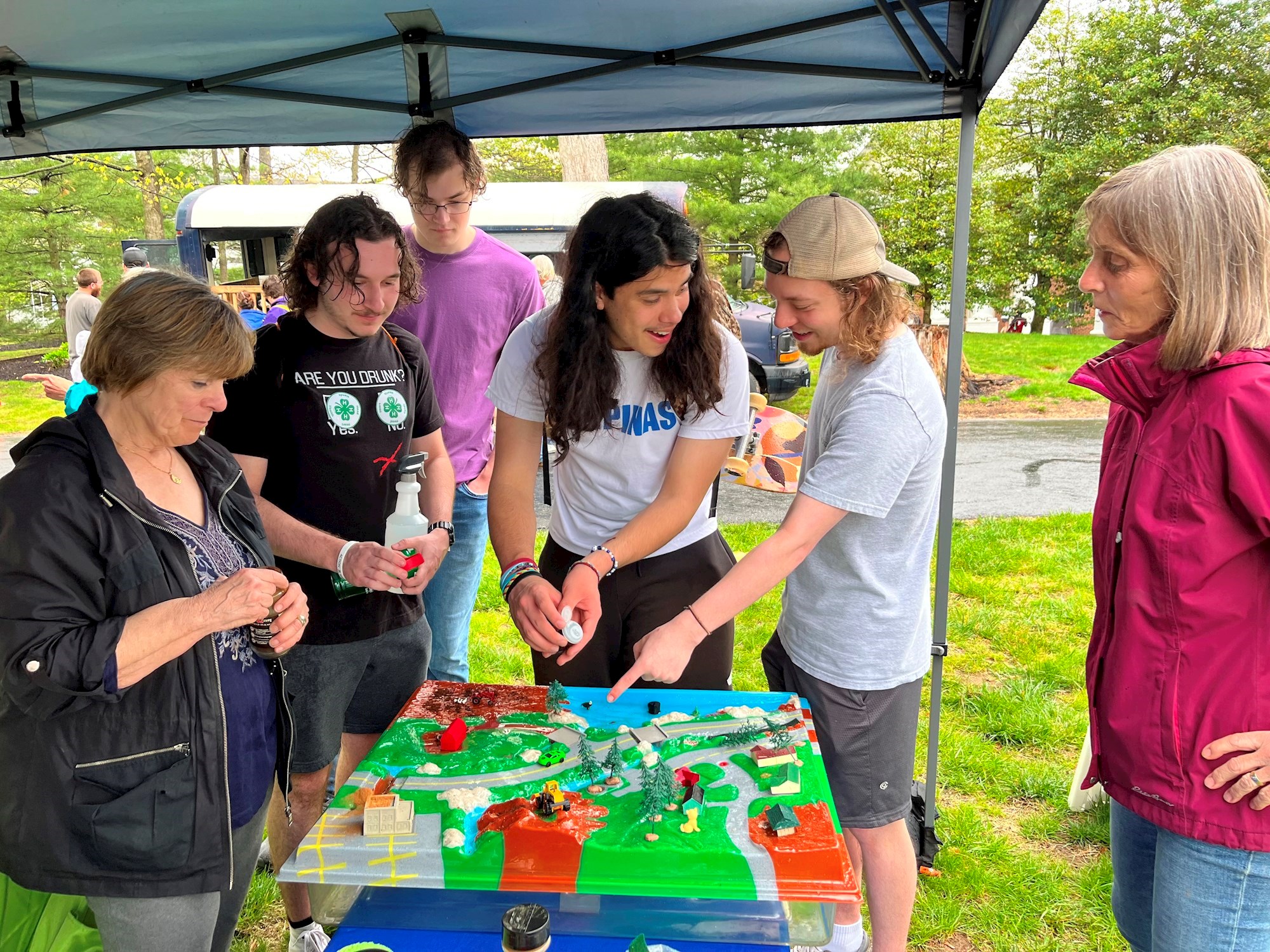
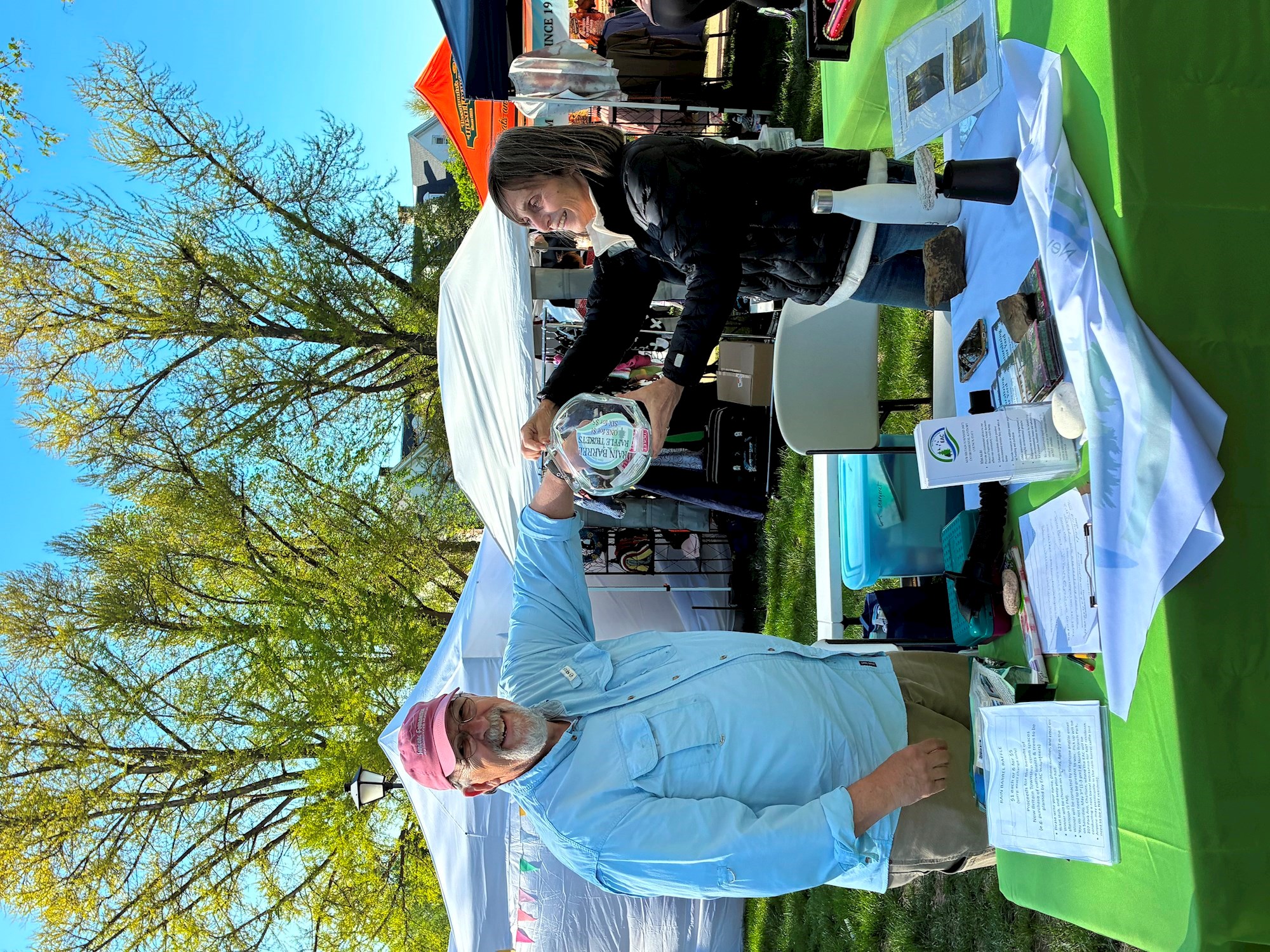
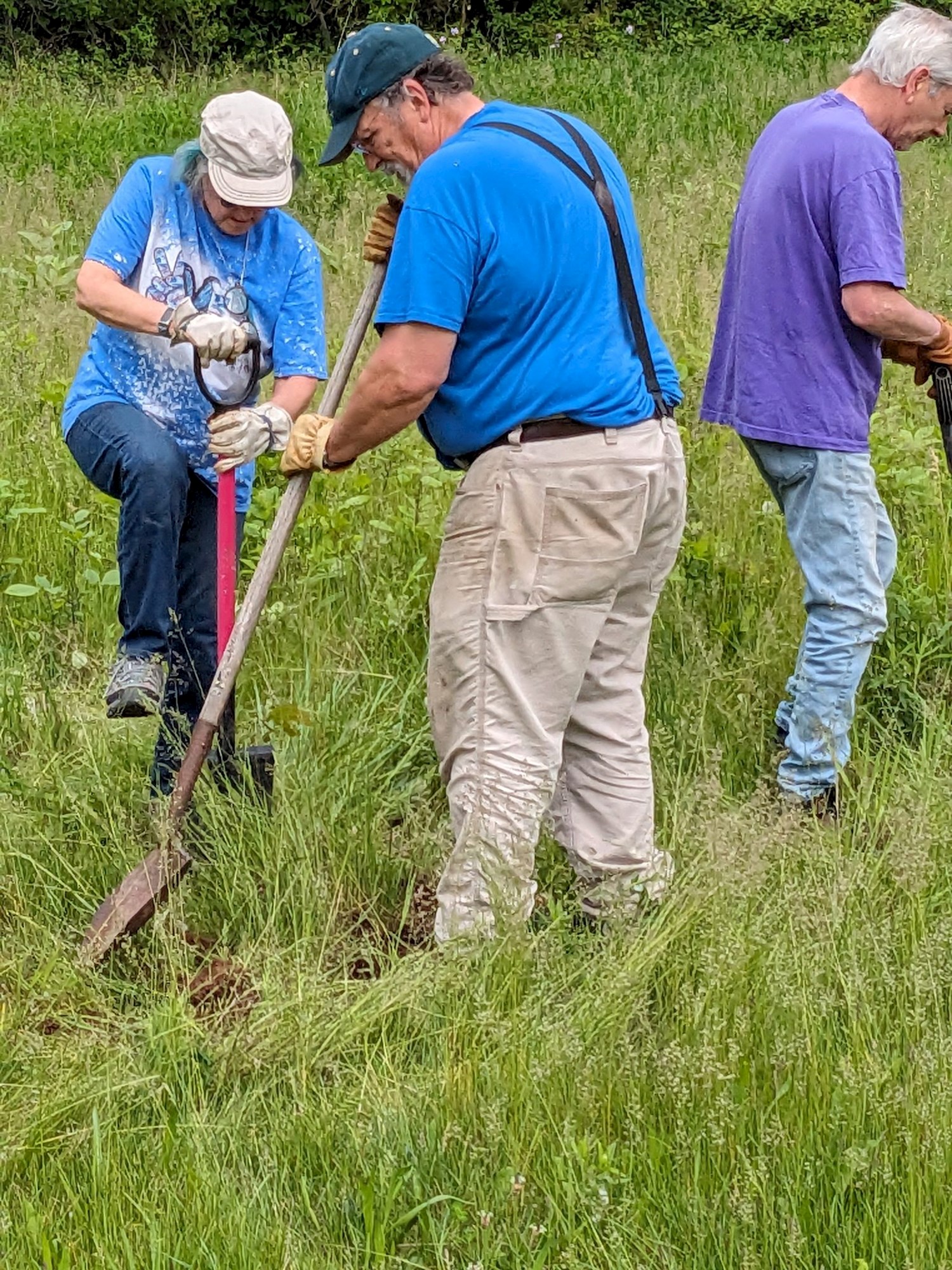
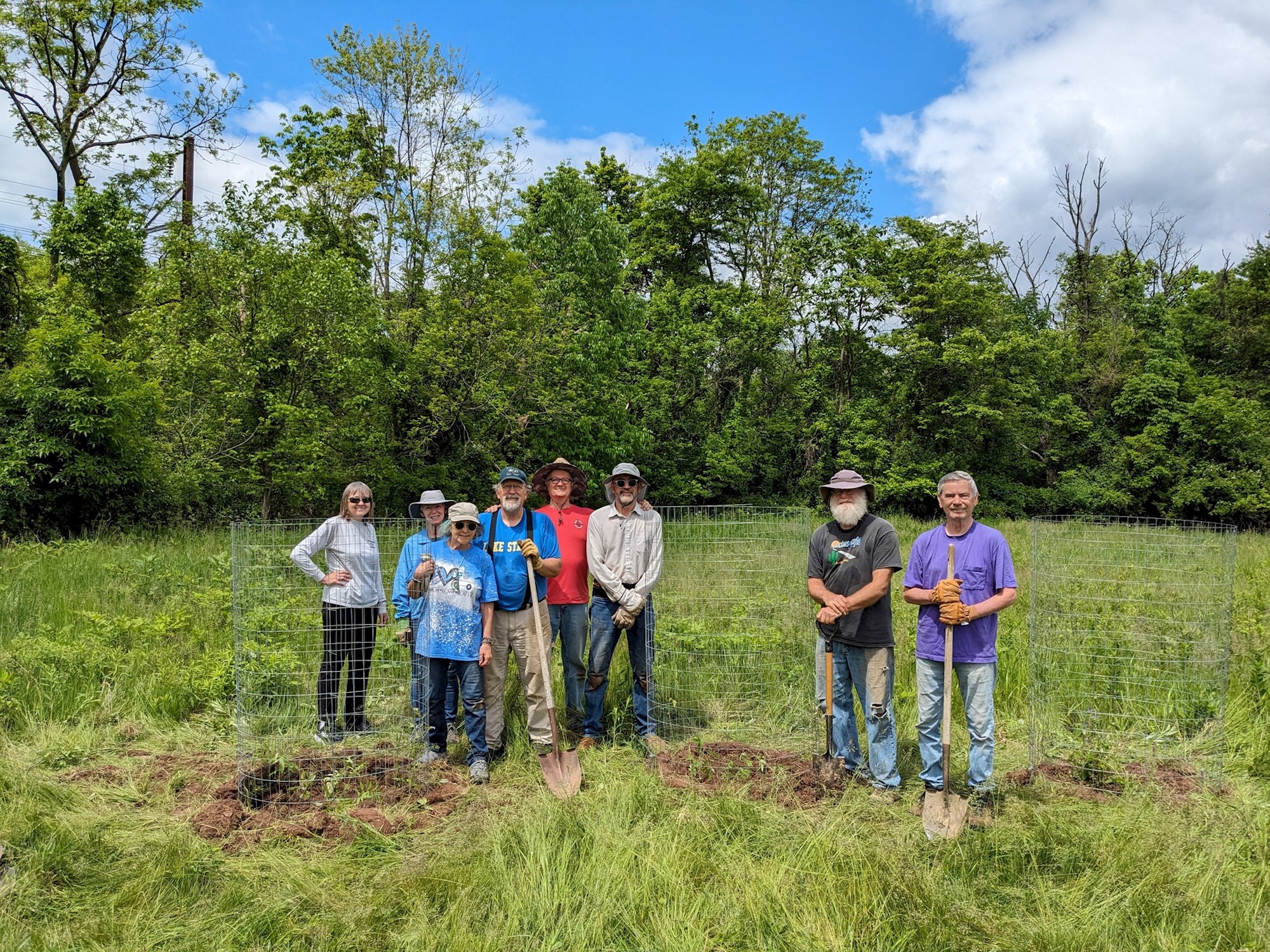
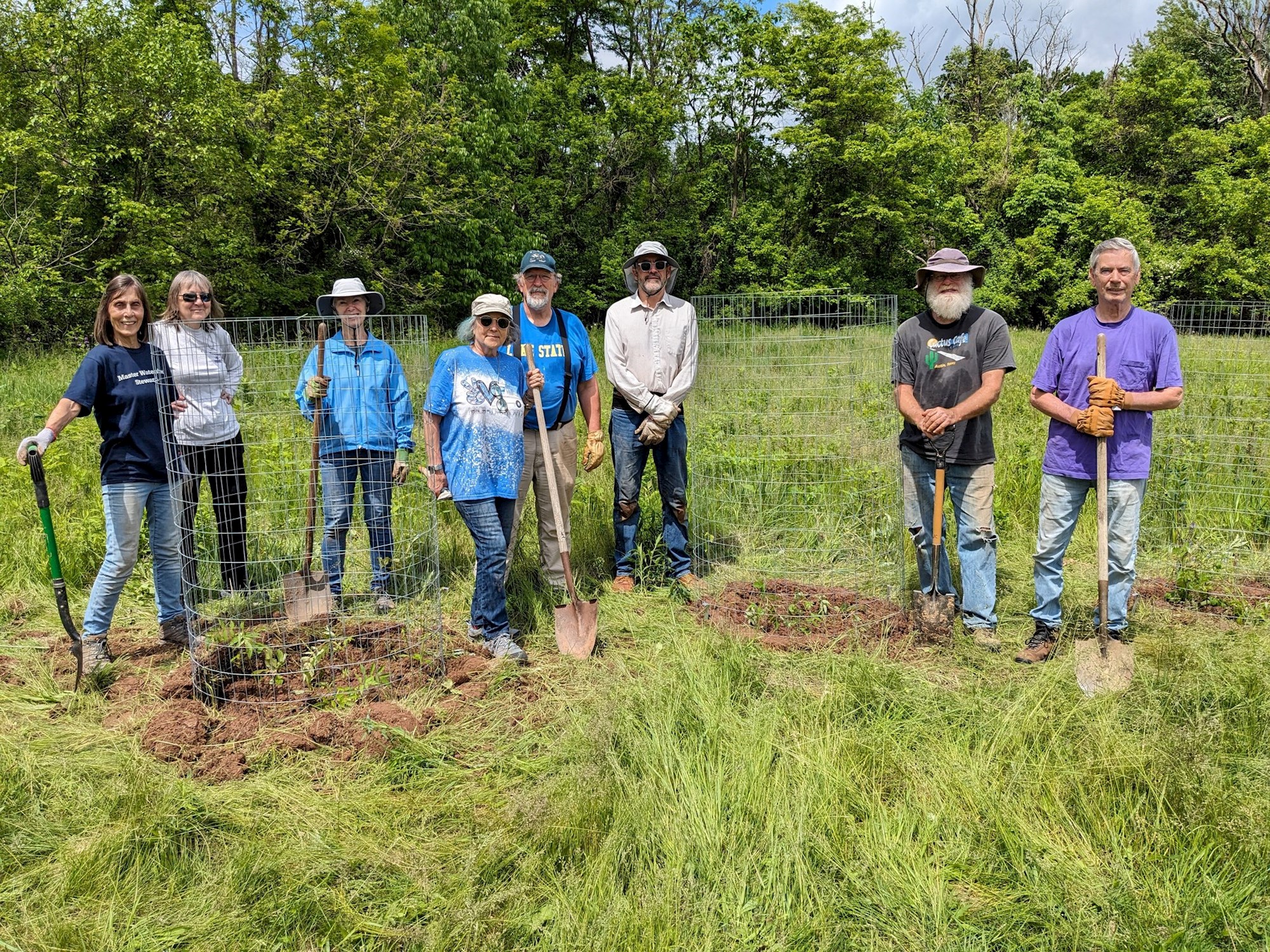
Information for Residents and Homeowners
Don't Let Your Rain Water Run Away!
Collecting water that runs off a roof can help prevent stormwater problems even as it helps your garden.
Rain Barrels can collect stormwater and can provide much needed water during drought. Less than ½ inch of rain falling on a 10 x 20 foot section of roof will fill a 50-gallon rain barrel. Place your barrel on a raised platform so that you can easily fill a watering can from the bottom spigot, and make sure your barrel has an overflow valve to manage excess during extreme weather events.
For more information see: Penn State Extension’s “Why Use a Rain Barrel”
Penn State’s “Rain Barrel Construction Guide”
Rain Gardens are shallow landscaped basins designed to collect and filter stormwater and planted with native, flood tolerant species such as sedges, Great Blue Lobelia, and Cardinal Flower. Downspouts or rain barrel overflow can be directed in a rain garden.
For more rain garden information including plant lists see: “Rain Garden Resources from Penn State”
Whitpain Township’s “Create Your Own Rain Garden”
The EAC meets the first Wednesday of the month at 7pm at the Township Building. The public is encouraged to attend.
If you wish to contact us or receive a monthly informational email, please write to eac@nbtpa.us.
| Member | Title | Term Expires |
|---|---|---|
| Kathleen Davis | Chair | 12/31/2028 |
| Lucy Jones | Vice-Chair | 12/31/2027 |
| Geraldine Reuter | Member | 12/31/2028 |
| Carol Weston-Young | Member | 12/31/2027 |
| Margaret Briggs | Member | 12/31/2026 |
| Alexandria Mullin | Secretary/Staff Liaison | N/A |
| Cynthia Jones, Supervisor | Liaison | N/A |
Environmental Advisory Council members serve for a 3-year term.
Environmental Advisory Council - Annual Reports
New Britain Township is supported by several Boards & Commissions comprised of township residents who volunteer their time. The Board of Supervisors makes all appointments to all the following Boards & Commissions for the below-mentioned terms.
Volunteer Applications
If you are interested in volunteering to serve on any of these boards, you can apply to the Board of Supervisors through the Township Manager.
Print & Email
A print application can be downloaded below and submitted by email, US Mail, or In-Person at 207 Park Avenue, Chalfont, PA 18914.